
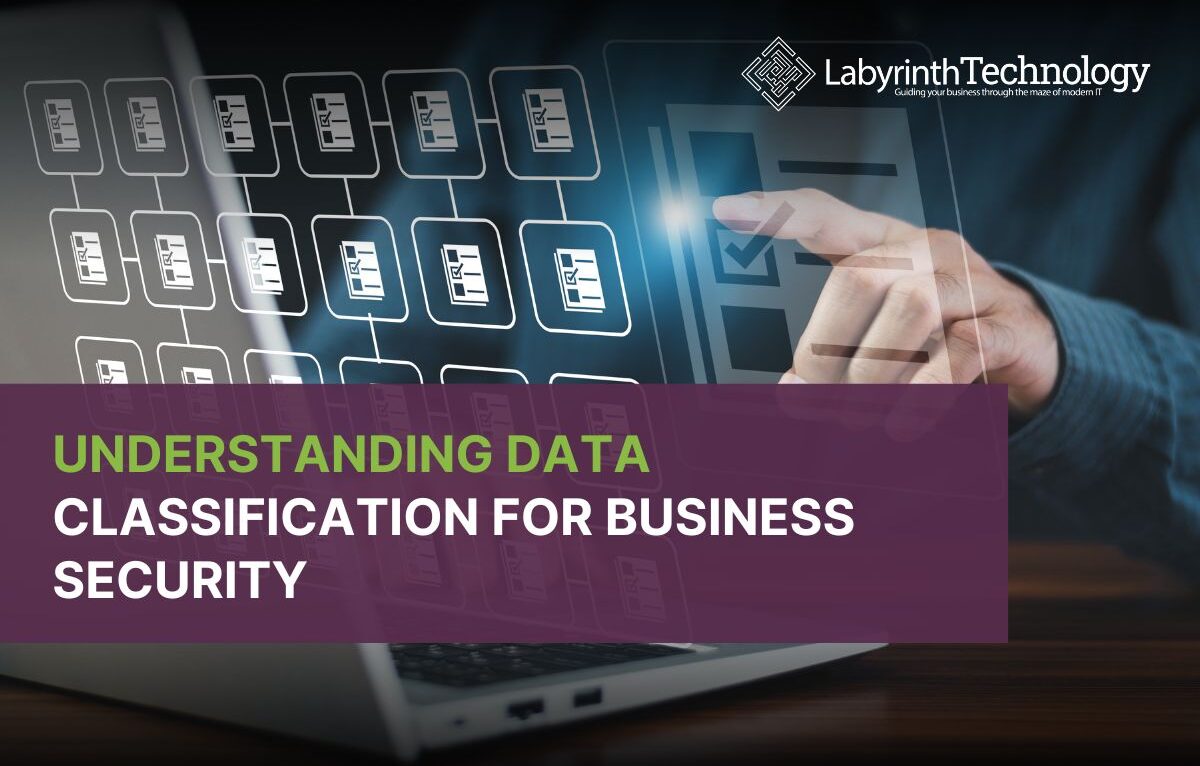

Data classification is the process of identifying, categorising, and protecting sensitive data based on its value and risk. For UK businesses, data classification helps protect sensitive information, reduce data breaches, meet regulatory compliance such as GDPR, and apply the right security controls to the right data.
Every business holds data. Customer details, financial records, contracts, emails, intellectual property, payment data, even internal notes. Some of that data is harmless. Some of it is valuable. However, some of it is so sensitive that a single mistake could lead to serious financial loss, reputational damage, or regulatory action.
This is where data classification comes in. It helps you understand what data you have, how sensitive it is, and how it should be protected. Without it, you are guessing. With it, you can apply appropriate security measures, restrict access where needed, and protect sensitive data properly.
For many organisations, especially small and medium sized businesses, data classification feels complex or unnecessary. In reality, it is one of the simplest ways to improve data security and reduce risk.

Data classification is the process of categorising data based on its sensitivity, value, and risk to the business. In simple terms, you are deciding what data matters most and how carefully it needs to be handled.
When you classify data, you look at where the data is stored, who uses it, what happens if it is lost, and what regulations apply. This applies to all data assets, including digital files, cloud data, emails, databases, and even paper records.
Classifying data helps you protect sensitive information without overcomplicating security. Not all data needs the same level of protection. Public data does not need the same controls as restricted data or critical data.
Most organisations use a small number of data classification levels. The exact names vary, but the idea stays the same.
Public data is information that can be shared freely. This could include marketing content, published reports, or public website information. If public data is exposed, the impact is minimal.
Internal data is information meant for staff only. This might include internal policies, procedures, or internal communications. Exposure could cause inconvenience or minor risk, but not serious harm.
Confidential data includes sensitive information such as financial records, payment data, customer details, and personally identifiable information. If this data is exposed, it can lead to data breaches, fines, and loss of trust.
Restricted or high sensitivity data is the most critical. This includes medical records, protected health information, biometric identifiers, trade secrets, intellectual property, government information, and national security related data. Exposure here can be catastrophic.
These data classification levels help you decide which security controls are required, which users can access the data, and how the data should be stored.

Data classification is important because it lets you focus your security efforts where they matter most. Without it, businesses often either under protect valuable data or over protect everything, which creates cost and complexity.
When you know your data sensitivity, you can apply appropriate security controls. That includes access controls, encryption, monitoring, and data loss prevention. It also helps limit access so only the right data owners and users can see sensitive information.
From a risk management perspective, data classification helps reduce the impact of data breaches. If sensitive data is correctly classified and protected, an attacker has fewer opportunities to access valuable information.
It also supports regulatory compliance. Laws like the General Data Protection Regulation, health insurance portability rules, and other compliance standards require you to protect personal data, payment data, and protected health information. Correct classification makes compliance achievable rather than overwhelming.
The data classification process starts with data discovery. You need to identify what data you hold, where it is stored, and how it is used. This includes cloud platforms, file servers, email systems, endpoints, and third party systems.
Next comes categorising data based on sensitivity. This is where you decide whether data falls into public data, internal data, confidential data, or restricted data. At this stage, understanding usage patterns and data volumes is critical.
Once data is categorised, you apply tagging data or labels. These labels help systems and people recognise how the data should be handled. Automated tools can assist here, especially when dealing with large data volumes.
Human review is also important. Automated classification tools are powerful, but they are not perfect. Human oversight ensures correct classification, especially for complex data such as intellectual property or sensitive information mixed with general data.

Almost all types of data benefit from classification. This includes customer records, financial records, payment data, medical records, protected health information PHI, personally identifiable information, government agencies data, and internal operational data.
It also includes intellectual property, trade secrets, contracts, emails, backups, logs, and archived data stored across systems. If the data has value or risk, it should be classified.
Even data you think is low risk can become sensitive when combined with other data. Data classification helps spot these risks early.
Compliance regulations focus heavily on how you protect sensitive data. GDPR, for example, requires organisations to protect personal data and limit access to it. Similar requirements apply to payment data, health data, and government information.
Data classification helps ensure compliance by clearly identifying which data is regulated and what security requirements apply. It supports mapping data, documenting controls, and proving that appropriate security measures are in place.
For audits and investigations, a clear data classification policy shows regulators that you understand your data and actively protect it. This can significantly reduce penalties and disruption.
Security controls should match data sensitivity. High sensitivity data requires strong access controls, encryption, monitoring, and strict security measures. Medium sensitivity data may need controlled access and basic encryption. Public data may need minimal controls.
The goal is balance. You protect valuable data without slowing the business down. Data classification helps you apply appropriate security controls without guesswork.

Data classification sounds simple, but doing it properly takes experience. Many businesses struggle with inconsistent tagging, unclear data categories, and poor enforcement.
Working with a trusted IT partner helps you design a data classification policy that fits your business, your compliance requirements, and your risk profile. It also ensures that automated tools and human review work together effectively.
At Labyrinth Technology, we help enabling organisations to understand their data assets, protect sensitive information, and maintain compliance through practical, realistic security strategies.
Data classification is not about paperwork or ticking boxes. It is about understanding your data, protecting what matters, and reducing risk across the business.
When you classify data correctly, you protect sensitive data, reduce data breaches, support compliance regulations, and apply the right security controls every time. It is one of the most effective steps you can take to improve data security.
If you want help building or improving your businesses cybersecurity, get in touch with Labyrinth Technology. We will help you protect your data properly and keep your business secure. Get in touch today for a practical conversation about your data security.






© 2026 Labyrinth Technology Limited. Company number 04326900. Web Design by Netzoll
Empowering London Businesses with Efficient IT Solutions to Save Time and Stay Ahead of the Competition.